


Wire Descaling Machines for Wire Drawing and Fastener Production
Wire descaling machines remove mill scale and loose surface oxides from steel wire rod before wire drawing, cold heading, and other forming operations. Mill scale formed during hot rolling can interfere with downstream processing, particularly when residual oxide particles remain on the wire surface or enter drawing dies.
Depending on the incoming wire condition and required surface finish, descaling systems use mechanical flexing, abrasive shot blasting, or a combination of mechanical treatment and brushing. These methods differ in their working principles, suitable wire sizes, maintenance requirements, and integration needs.


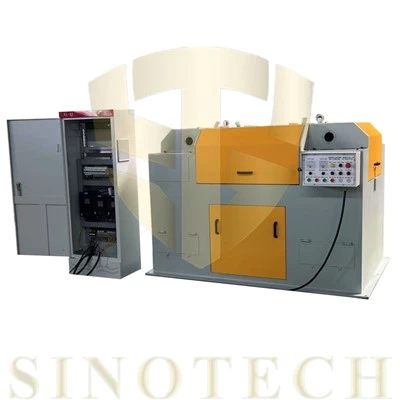
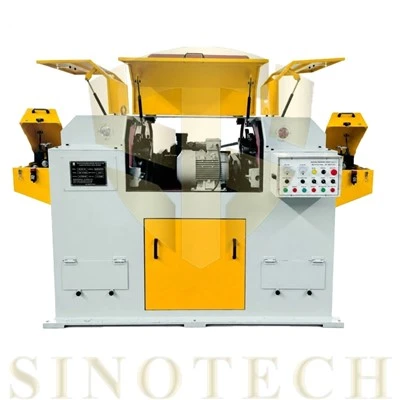
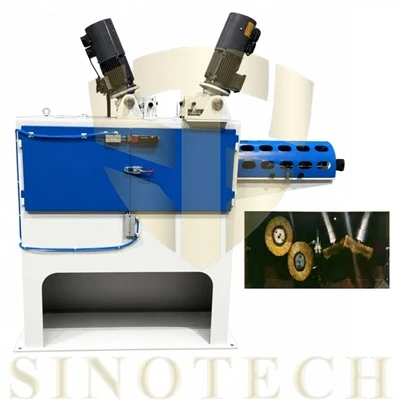
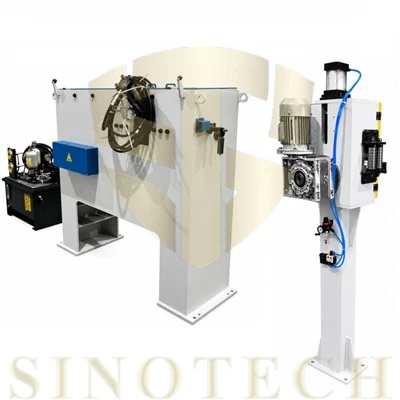
Machine Types


Mechanical Flexing Wire Descaling Machines
Mechanical flexing machines pass wire through a series of bending rolls arranged to change its direction across multiple contact points. Repeated bending stresses the brittle mill scale, causing it to crack and loosen from the steel substrate.
This configuration is commonly considered for carbon steel wire rod used in drawing, cold heading, nail production, bolt manufacturing, and other fastener processes. Roll arrangement and adjustment must match the wire diameter and material properties.
Key selection parameters include the number and arrangement of bending rolls, adjustment range, guide design, applicable wire diameter, and maximum operating speed.
Shot Blasting Wire Descaling Machines
Shot blasting machines propel abrasive media against the wire surface using rotating blast wheels. The impact removes oxide scale and surface contaminants, while the blasting chamber contains the abrasive and loosened material.
This method may be suitable for wire rod with tenacious scale or applications requiring a blasting-based surface preparation process. Actual suitability depends on wire dimensions, material, abrasive selection, blasting intensity, and the required surface finish.
Buyers should confirm the supported wire diameter, blast-wheel configuration, abrasive circulation system, dust collection arrangement, and provisions for abrasive separation and recovery.
Combined Descaling and Brushing Systems
Combined systems integrate mechanical flexing with additional surface-cleaning equipment, such as rotating brushes or dust extraction. The flexing section loosens scale, while the downstream cleaning stage removes detached particles from the wire surface.
These systems may be considered when residual scale or loose particles need additional removal before drawing or forming. Their effectiveness depends on the wire condition, cleaning configuration, and acceptance criteria for the downstream process.
Key Features
Adjustable Descaling Configuration
Adjustable bending rolls allow operators to adapt the contact geometry to different wire diameters and material conditions. The required settings depend on wire grade, incoming scale condition, and the mechanical limits of the equipment.
Controlled Wire Guidance
Guide rollers and wire-entry components help maintain the intended wire path through the descaling section. Guide geometry and alignment should be checked against the wire diameter and production line layout.
Drive and Speed Coordination
Variable frequency drives can provide adjustable motor speed where included in the machine configuration. For inline installations, the descaling machine should be coordinated with the pay-off and downstream drawing equipment to maintain suitable wire tension and line speed.
Scale and Dust Collection
Shot blasting configurations generally require a contained blasting chamber and an appropriate dust collection arrangement. Mechanical flexing systems may also require collection or containment provisions for detached scale, depending on their design.
Dust extraction capacity, filtration arrangements, and workplace compliance should be evaluated against the actual installation and applicable local requirements.
Accessible Wear Components
Bending rolls, blast-wheel components, brushes, seals, and other wear parts require periodic inspection. Their replacement intervals depend on processed tonnage, wire material, operating conditions, and maintenance practices.
Technical Specifications
|
Technical Parameter |
Mechanical Flexing Descaler |
Shot Blasting Descaler |
|
Applicable wire diameter |
Ø 3–16 mm |
Ø 6–32 mm |
|
Maximum line speed |
Up to 120 m/min |
Up to 80 m/min |
|
Descaling configuration |
7–9 bending rolls |
2–4 blast turbines |
|
Main motor power |
5.5–11 kW |
15–37 kW per turbine |
|
Roll or wear component material |
Cr12MoV / GCr15 |
High-chrome cast iron |
|
Component hardness |
HRC 58–62 |
Above HRC 62 |
|
Control system |
PLC with touchscreen, if configured |
PLC and inverter control, if configured |
|
Scale removal performance |
Requires test criteria and measured results |
Requires test criteria and measured results |
Applications

Wire Drawing Lines: Descaling equipment can be installed before drawing machines to remove mill scale from incoming steel wire rod. The appropriate configuration depends on the wire grade, incoming scale condition, drawing speed, and surface requirements of the selected drawing process.
Nail and Fastener Manufacturing: Wire used for nails, bolts, screws, and other cold-formed fasteners may require scale removal before drawing or forming. Buyers should confirm that the descaling system matches the wire dimensions and the production requirements of the downstream equipment.
Welding Wire Production: Wire preparation requirements for welding wire depend on the steel grade and subsequent cleaning, drawing, coating, or surface treatment processes. The descaling method should be selected according to the specified surface condition rather than the application name alone.
Prestressed and High-Strength Steel Wire: High-strength and prestressed steel wire applications require particular attention to material properties and process limits. The proposed descaling method should be validated for the intended wire grade, diameter, and subsequent processing requirements before production use.
Key Selection Factors
Wire Material and Diameter: Confirm the wire grade, minimum and maximum diameter, tensile strength range, and incoming condition. These details determine whether a proposed machine configuration is suitable and whether adjustment options are sufficient for the intended product range.
Mill Scale Condition: Loose, thin scale may respond differently from thick or strongly adherent oxide layers. Buyers should provide representative photographs or samples of the incoming wire rod and define the required surface condition after descaling.
Required Line Speed: The machine's rated speed must match the actual production requirement. Check whether the stated speed applies across the full wire diameter range or only under specified conditions. Also confirm how the descaling unit will synchronize with the pay-off and downstream drawing machine.
Surface Requirements: Determine whether the next process requires scale removal only or additional cleaning of residual particles. Where the wire will undergo coating, drawing, or precision forming, agree on the acceptance criteria before selecting the descaling method.
Installation and Maintenance: Review the available installation space, wire-entry and exit heights, power supply, control interfaces, dust collection requirements, and access for replacing wear parts. For existing production lines, confirm the connection points and operating sequence with the equipment supplier.

Frequently Asked Questions

Request a Quote
To identify a suitable wire descaling configuration, please provide:
Wire material and grade
Minimum and maximum wire diameter
Incoming mill scale condition
Required production line speed
Downstream process and surface requirements
Existing line layout and equipment interface details
Available power supply and dust collection requirements
Based on these details, the equipment supplier can assess the appropriate descaling method, confirm the available machine configuration, and provide a model-specific technical proposal and quotation.
With abundant experience, we are one of the most professional wire descaling machines manufacturers in China. Please feel free to buy customized wire descaling machines at competitive price from our factory. Welcome to contact us for quotation.
Abrasive Belt Type Wire Descaling Machine, Wire Grinding Machine Cartridge Dust Extractor, Wire Rod Rust Removing Machine