


Industrial Nail Assembly Machines: Types, Technical Specifications & Selection Guide
Industrial nail assembly machines collate loose nails into coils or linear strips for compatible pneumatic nailers and automated fastening equipment. Depending on the required fastener format, the machine uses steel wire, plastic strips, or paper tape to connect and organize nails for downstream applications.
These machines are used by nail manufacturers and fastener production facilities supplying pallet manufacturing, timber framing, roofing, siding, and industrial packaging markets. Selecting the right equipment requires matching nail dimensions, shank geometry, collation angle, joining method, and production capacity to the intended finished product.
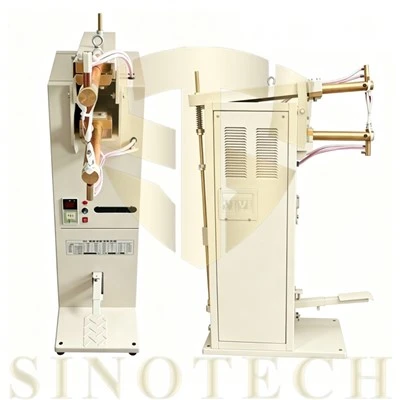


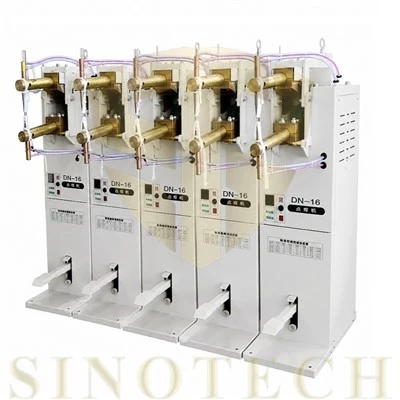
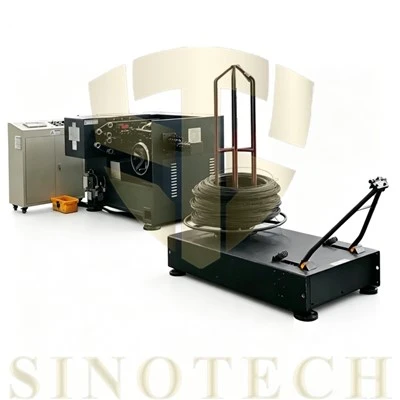
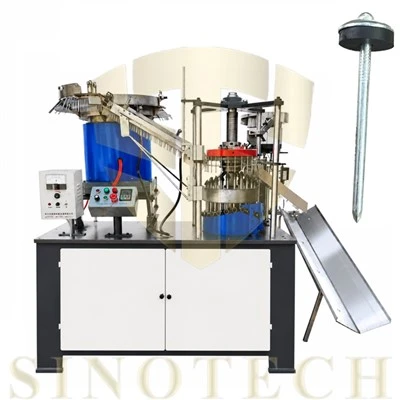
Types of Nail Assembly Machines
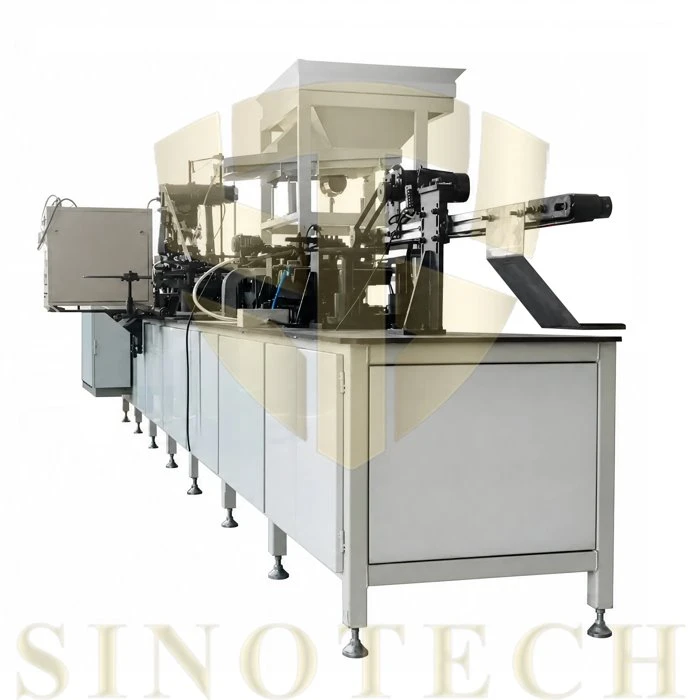
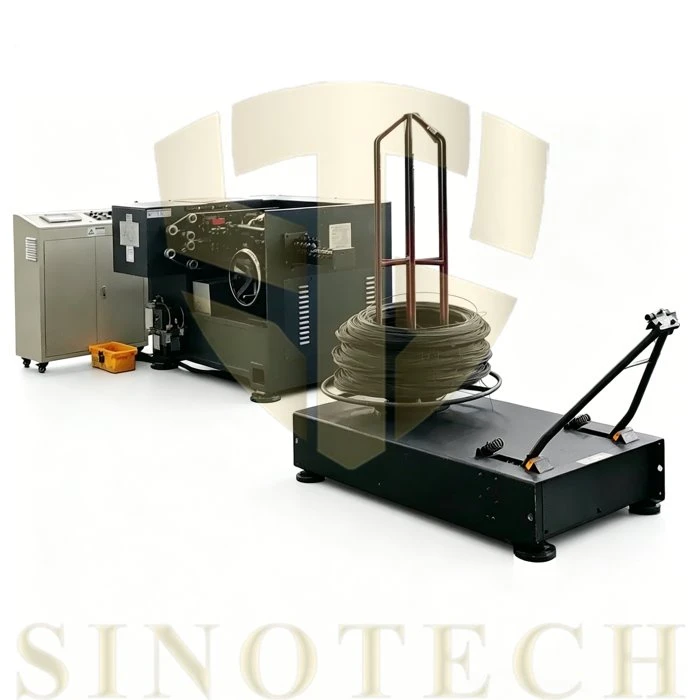

Coil Nail Assembly Machines
Coil nail assembly machines arrange nails into continuous coils for compatible pneumatic coil nailers. Depending on the machine design, nails are connected using steel wire or another specified collation system and wound into coils at a defined angle.
Typical applications include pallet assembly, wooden crate manufacturing, roofing, and other fastening operations that use coil-fed nailers.
Key selection factors include nail diameter, nail length, shank type, collation angle, coil dimensions, and joining material. Buyers should also check whether the machine supports smooth-shank, ring-shank, or screw-shank nails within the required dimensional range.
Plastic Strip Nail Assembly Machines
Plastic strip nail machines arrange nails in linear strips using a compatible plastic collation system. The joining process depends on the equipment design and may involve preformed plastic components or another specified bonding method.
These machines serve fastener manufacturers producing plastic-collated nails for compatible framing and construction nailers.
Important parameters include nail dimensions, strip angle, nail spacing, plastic material, and finished-strip length. The selected machine must match the required nail format and the feeding specifications of the intended nailer.
Paper Strip Nail Assembly Machines
Paper strip nail machines collate nails using paper tape and a compatible adhesive or bonding process. The finished strips are designed for nailers that accept the corresponding paper-collated fastener format.
Applications include timber framing, interior construction, and other fastening operations where paper-collated nails are specified.
Buyers should evaluate the supported nail angle, paper tape dimensions, adhesive requirements, nail spacing, and finished-strip integrity. The paper and adhesive specifications should be compatible with the intended production process and operating conditions.
Wire-Collated Strip Nail Machines
Wire-collated strip nail machines arrange nails in a linear configuration and connect them using wire according to the machine's design. Unlike coil nail equipment, these systems produce straight or flat strips rather than continuous nail coils.
They are intended for fastener manufacturers supplying applications that require wire-connected strips.
Key considerations include nail geometry, strip dimensions, wire specifications, joining strength, and compatibility with downstream feeding equipment. Buyers should distinguish this format from coil collation before selecting a machine.
Key Features and Production Functions
Nail Feeding and Alignment
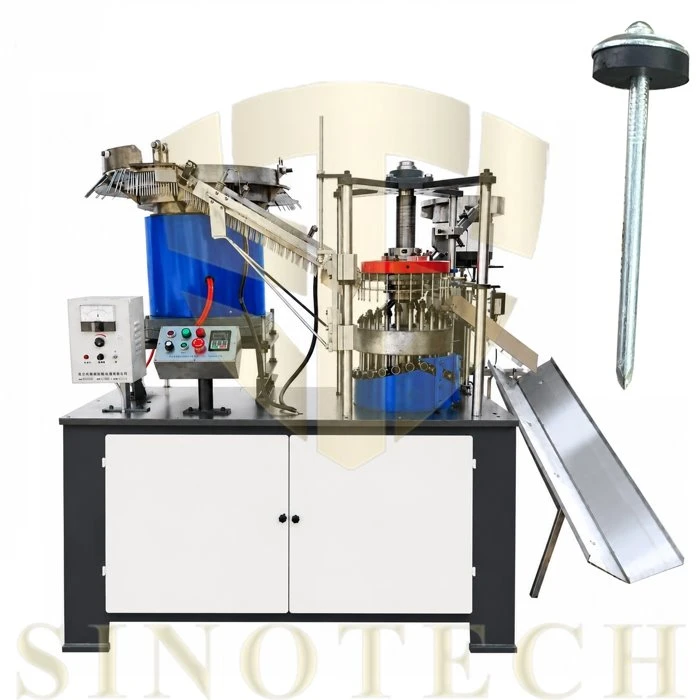
The feeding system organizes loose nails and transfers them into the collation section. Depending on the machine design, it may use vibratory feeders, guide tracks, positioning components, or other mechanical feeding arrangements.
Guide dimensions must match the nail head, shank diameter, and overall length. Buyers should determine which components require adjustment or replacement when changing nail sizes and whether the feeding system supports the intended nail geometry.
Collation and Joining System
The joining mechanism depends on the finished nail format. Coil and wire-collated systems may use designated wire-joining processes, while plastic and paper systems use their specified collation materials and bonding methods.
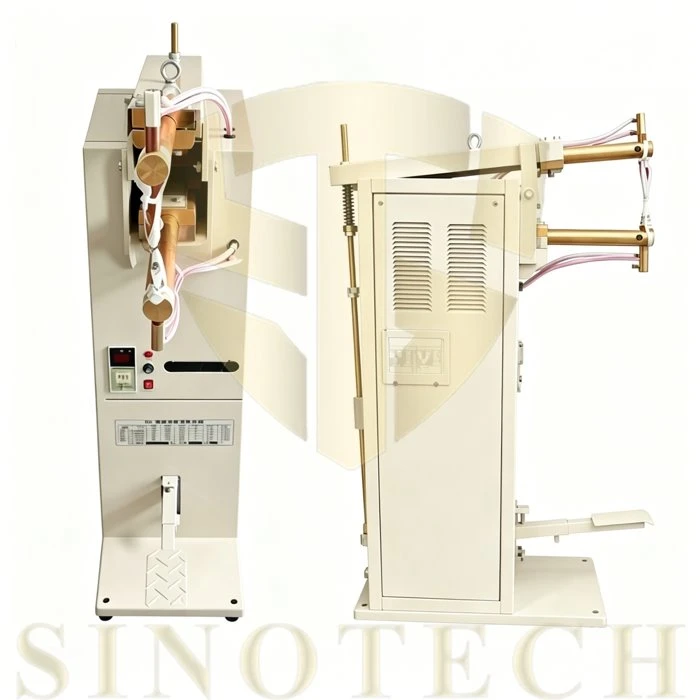
Relevant evaluation criteria include connection strength, nail spacing, finished-product consistency, and compatibility with the target nailer. For welding-based equipment, buyers should review the available welding-current adjustments and joining-process controls. For adhesive-based systems, adhesive application and bonding conditions should be assessed.

Drive and Control System
The drive system coordinates nail feeding, positioning, and collation. Selected configurations may use a programmable logic controller (PLC) and a touchscreen human-machine interface (HMI).
When evaluating the control system, buyers should consider operating modes, parameter adjustment, fault indication, language options, and the availability of electrical documentation. The actual controller and interface specifications should be included in the equipment quotation.
Monitoring and Safety
Depending on the installed equipment, monitoring functions may include missing-nail detection, feeding fault detection, overload protection, and automatic stopping under specified fault conditions.
Buyers should request the actual list of sensors, protective devices, emergency-stop functions, and electrical safety provisions. These functions should be evaluated against the applicable machinery safety requirements in the destination market.
Technical Specifications
The following figures are preliminary reference values from the initial equipment description. They must be checked against the supplier's actual technical documentation before being treated as confirmed product specifications.
|
Technical Parameter |
Coil Nail Assembly Machine |
Plastic/Paper Strip Nail Machine |
|
Nail shank diameter |
2.1–3.8 mm |
2.5–5.2 mm |
|
Nail length |
32–130 mm |
50–160 mm |
|
Stated operating speed |
2,000–3,000 pcs/min |
1,500–2,500 pcs/min |
|
Collation angle |
15° |
21°, 28°, or 34° |
|
Collation material |
Steel wire |
Plastic strip or paper tape |
|
Connected electrical load |
3.0–5.5 kW |
4.0–7.5 kW |
|
Compressed-air pressure |
0.6–0.8 MPa |
0.6–0.8 MPa |
|
Control system |
PLC and touchscreen HMI, where equipped |
PLC and touchscreen HMI, where equipped |
|
Machine weight |
1,200–1,800 kg |
1,500–2,200 kg |
Applications
Pallet and Wooden Crate Manufacturing
Coil-collated nails are used in compatible pneumatic and automated nailing systems for pallet and crate assembly. Nail dimensions, coil configuration, and collation angle must match the downstream fastening equipment.
Timber Frame Construction
Plastic- and paper-collated nails are used in framing systems designed for the corresponding strip format. Nail length, shank diameter, head dimensions, and collation angle should meet the requirements of the specified nailer and fastening application.
Roofing and Siding
Coil nail assembly equipment can support the production of collated roofing and siding nails. Buyers should check nail-head dimensions, shank design, corrosion-protection requirements, and compatibility with the intended roofing or siding nailer.
Industrial Packaging
Manufacturers of wooden crates and heavy-duty packaging may use collated nails for timber assembly. The selected machine should support the nail dimensions and collation format required by the packaging design and production equipment.
Key Selection Factors
Nail Dimensions and Geometry
Provide the nail shank diameter, overall length, head dimensions, and shank type. Drawings or representative samples are useful when the fastener has a nonstandard head or shank profile.
Collation Format and Angle
Identify whether the finished product must be coil-collated, plastic-strip-collated, paper-strip-collated, or wire-collated. Confirm the required angle and finished-product dimensions with the downstream nailer specifications.
Production Capacity
Compare the machine's rated speed with the required output and the actual production rate of the upstream nail-making line. Consider changeover time, feeding interruptions, rejected products, and downstream handling when estimating usable production capacity.
For high-volume orders, request a production trial using representative nails and collation materials. Agree on the test duration, operating conditions, and method for counting acceptable finished products.
Changeover and Maintenance
Ask which guide tracks, tooling, positioning components, and collation parts must be changed when switching nail sizes. Review routine maintenance requirements and identify critical wear parts that should be stocked locally.
Electrical and Installation Requirements
Confirm rated voltage, frequency, phase, connected load, compressed-air pressure and consumption, machine footprint, and total weight. Installation requirements should be based on the actual equipment drawings and technical documentation.
Quality Inspection
Determine how finished products are checked for missing nails, nail spacing, collation integrity, angle, and other specified acceptance criteria. Request the inspection procedure and applicable test conditions when collation strength or finished-product consistency is critical.
Technical FAQ

Request a Technical Quote
To identify a suitable nail assembly machine, provide the following information:
Collation format: Coil, plastic strip, paper strip, or wire-collated strip
Nail dimensions: Shank diameter, overall length, head dimensions, and shank type
Collation requirements: Angle, coil or strip dimensions, and joining material
Production target: Required output in pieces per minute or pieces per shift
Factory utilities: Available voltage, frequency, phase, and compressed-air supply
Production line details: Existing nail-making equipment and downstream nailer requirements
Submit your technical requirements together with available nail drawings or samples to request a machine specification, configuration recommendation, and quotation.
With abundant experience, we are one of the most professional nail assembly machines manufacturers in China. Please feel free to buy customized nail assembly machines at competitive price from our factory. Welcome to contact us for quotation.
Nail Shank Twisting Machine, Plastic Strip Coil Screw Assembly Machine, Wire Collated Iron Nail Making Machine